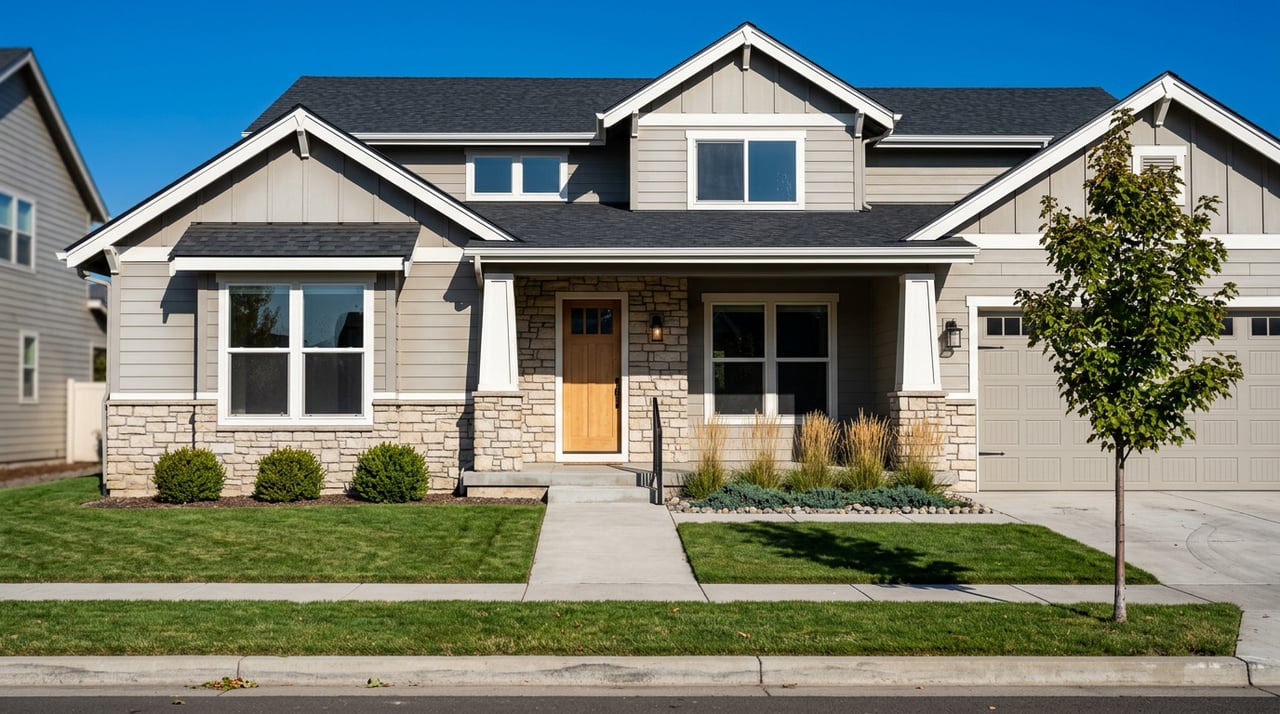
Choosing Between Denver And Its South Suburbs For Your Next Home
March 5, 2026
March 5, 2026
Should you lean into city energy or spread out a bit to the south? If you’re torn between a Denver address and suburban standouts like Centennial or Greenwood Village, you’re not alone. You want the right mix of value, commute, schools, and lifestyle without second‑guessing your choice a year from now. In this guide, you’ll get a clear, side‑by‑side look at the trade‑offs so you can move forward with confidence. Let’s dive in.
Choosing where to live often starts with price. City‑level trackers showed Denver’s typical home value near 524,000 as of January 31, 2026. Centennial’s median sale prices landed in the low‑to‑mid 600,000s in late 2025 through January 2026. Greenwood Village trended much higher, with typical or median values in the 1.2 to 1.4 million range during January 2026 snapshots. Exact numbers swing by neighborhood and product type.
Inventory has increased since pandemic lows, and days on market are longer than 2020–2021 across the metro. For the freshest metro trends, you can scan the monthly summaries from the Denver Metro Association of Realtors in the Market Trends section at the DMAR site. Neighborhood medians often tell a more accurate story than citywide figures.
What this means for you:
Average one‑way commute times are a helpful baseline. U.S. Census data shows around 25 minutes for Denver County, about 26 minutes for Centennial, and roughly 20 minutes for Greenwood Village. These are citywide averages that blend in remote and local workers, so your actual time will depend on your exact start and end points. You can explore baseline data on Census QuickFacts for Denver County, then run your specific addresses during peak hours for a true read.
If you work in the Denver Tech Center (DTC) or along I‑25, the RTD light‑rail E and R lines give certain south‑suburban addresses a real advantage. Stations like Dry Creek in Centennial and Arapahoe at Village Center in Greenwood Village can simplify daily travel and reduce parking stress. Many city neighborhoods also offer strong bus and rail access, plus shorter bike or scooter hops to downtown.
Living south often shortens drives to DTC and the I‑25/I‑225 hubs. If your day points downtown, city neighborhoods may be faster. Peak‑direction traffic still rules real commute times. Trends and employer clusters in the DTC are outlined by the regional business group at Denver South. Always test your actual route at commute times before committing.
A common driver for move‑up buyers is school logistics. Much of Greenwood Village and many eastern and central parts of Centennial fall within Cherry Creek School District, while portions of western Centennial are served by Littleton Public Schools. Denver addresses fall under Denver Public Schools. Colorado’s SchoolView platform provides district‑level accreditation and performance indicators that you can review on the state’s SchoolView portal. For Cherry Creek program details and school lists, see the district’s high school overview and elementary school directory.
Important tips:
You’ll see more condos, townhomes, historic bungalows, and compact infill builds. Yards tend to be smaller and easier to maintain. Many attached homes include monthly HOA fees that cover shared amenities or exterior maintenance.
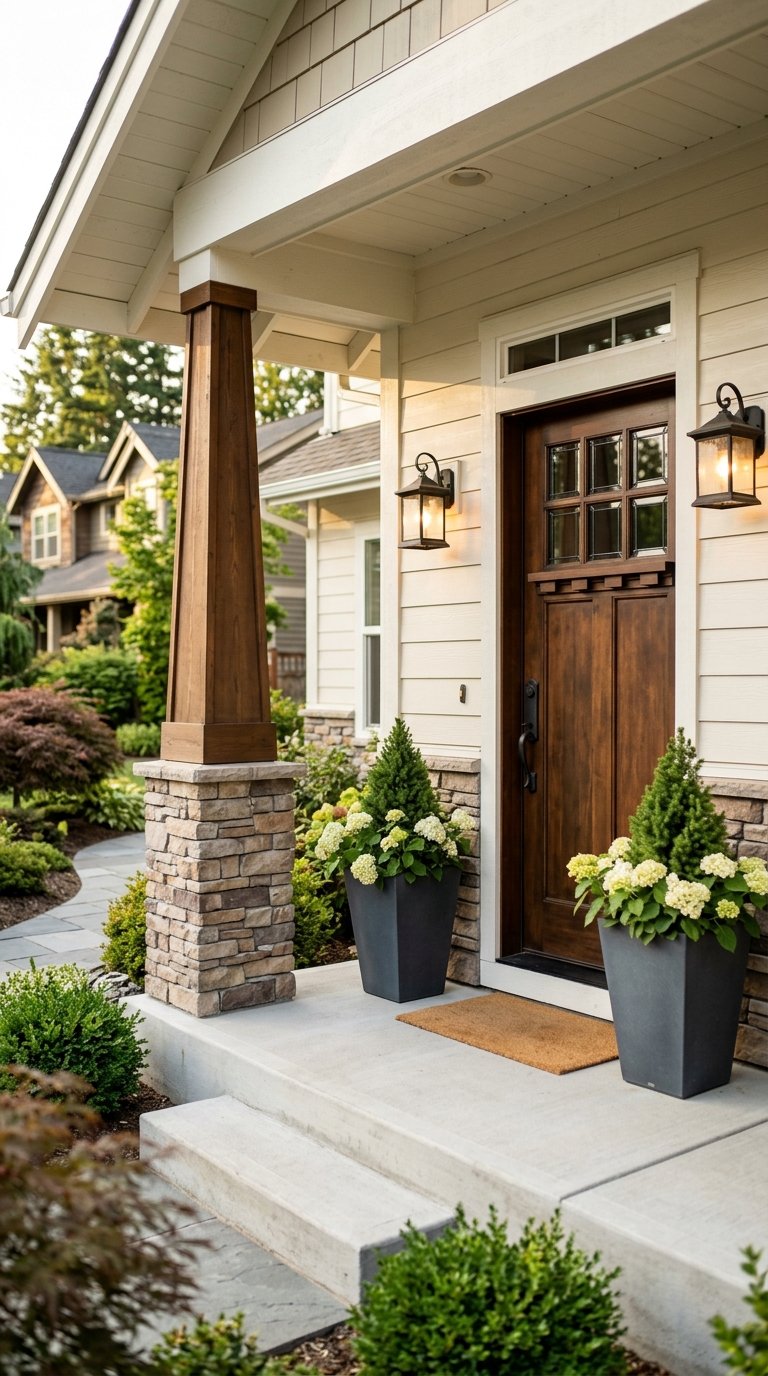
Centennial offers a wide supply of single‑family homes built from the 1980s through the 2010s, often on moderate suburban lots with attached garages. Subdivision amenities and greenbelts are common. For many buyers, it strikes a balance between price, space, and access to regional parks.
Expect a mix of luxury single‑family properties on larger lots, plus upscale townhomes or condos clustered near transit and the DTC. Higher price points reflect lot size, finishes, and location near employment centers.
Central Denver neighborhoods put you close to dining, arts, and sports. Daily errands can be faster and you may drive less. If you enjoy cultural events or evenings out, you’ll appreciate the proximity.
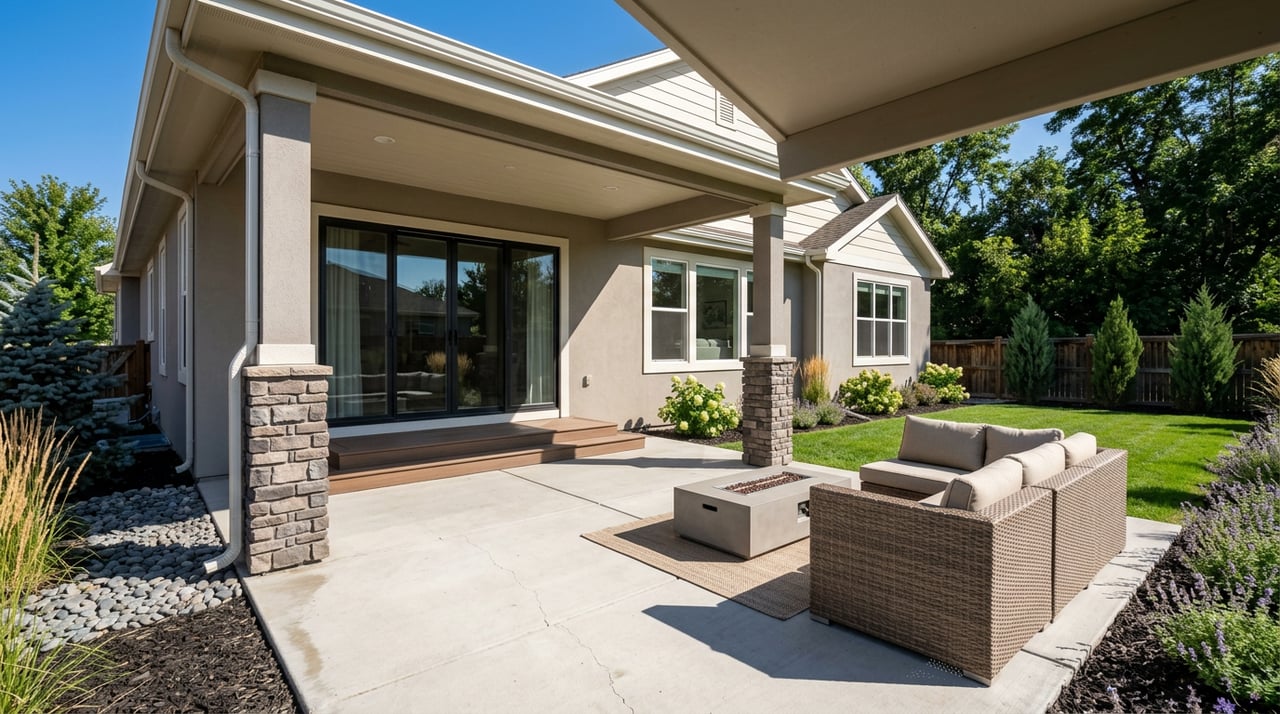
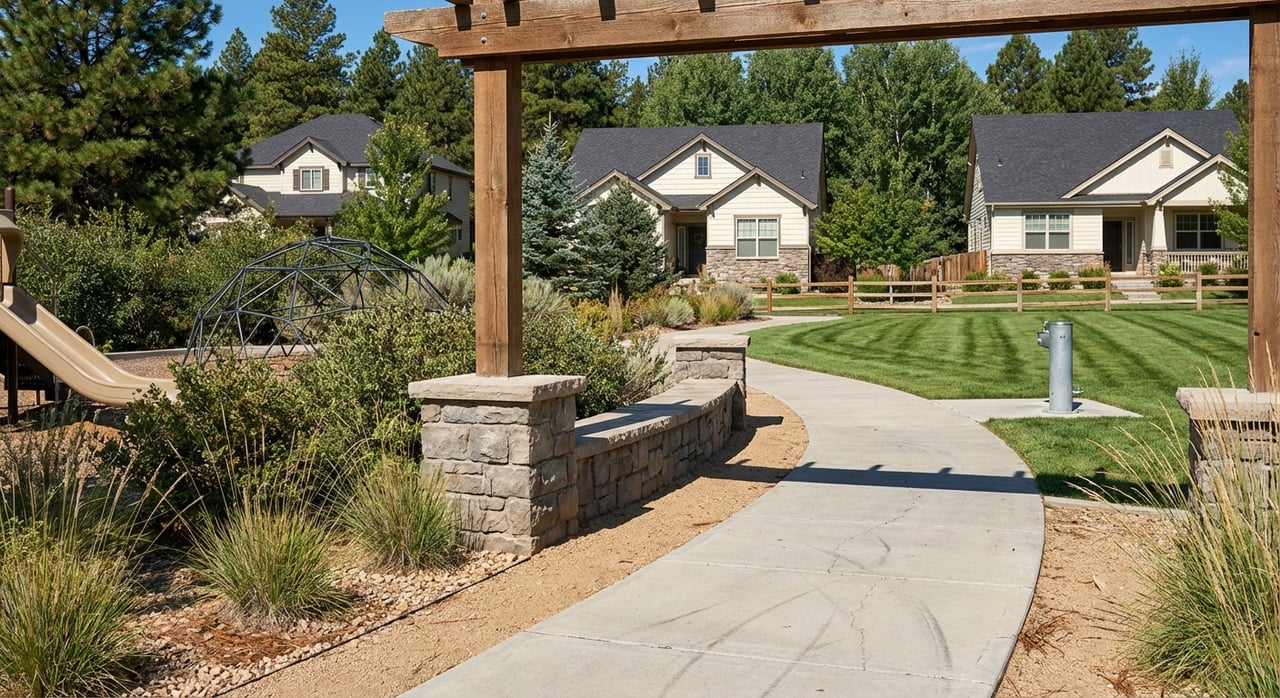
South‑suburban life leans into outdoor space, parks, and trail systems. Cherry Creek State Park, bordering parts of Centennial and close to Greenwood Village, offers boating, paved trails, and picnic space. You can preview amenities at the Cherry Creek State Park page. Many subdivisions also feature pocket parks and trail connections.
No matter where you land, plan for recurring costs:
A quick rule of thumb is to model total monthly housing costs in each area, not just principal, interest, taxes, and insurance. That way, you compare apples to apples when weighing a city condo against a suburban single‑family home.
Use these scenarios to test your fit.
There is no one “best” choice. Denver gives you variety, walkable neighborhoods, and strong city convenience. Centennial balances value, space, and suburban amenities. Greenwood Village commands premium pricing for larger lots, proximity to DTC, and refined residential pockets. The best fit is the one that supports your daily routine, budget, and long‑term goals.
If you want help translating these trade‑offs into a confident decision, connect with a local advisor who knows both sides of the line. With a design‑savvy, neighborhood‑first approach and premium marketing resources, Christine Nottoli can guide you to a home that fits how you live today and how you plan to live tomorrow.
Stay up to date on the latest real estate trends.
Transforming homes and investments with thoughtful design and market insight, ensuring every client reaches their real estate goals with confidence.