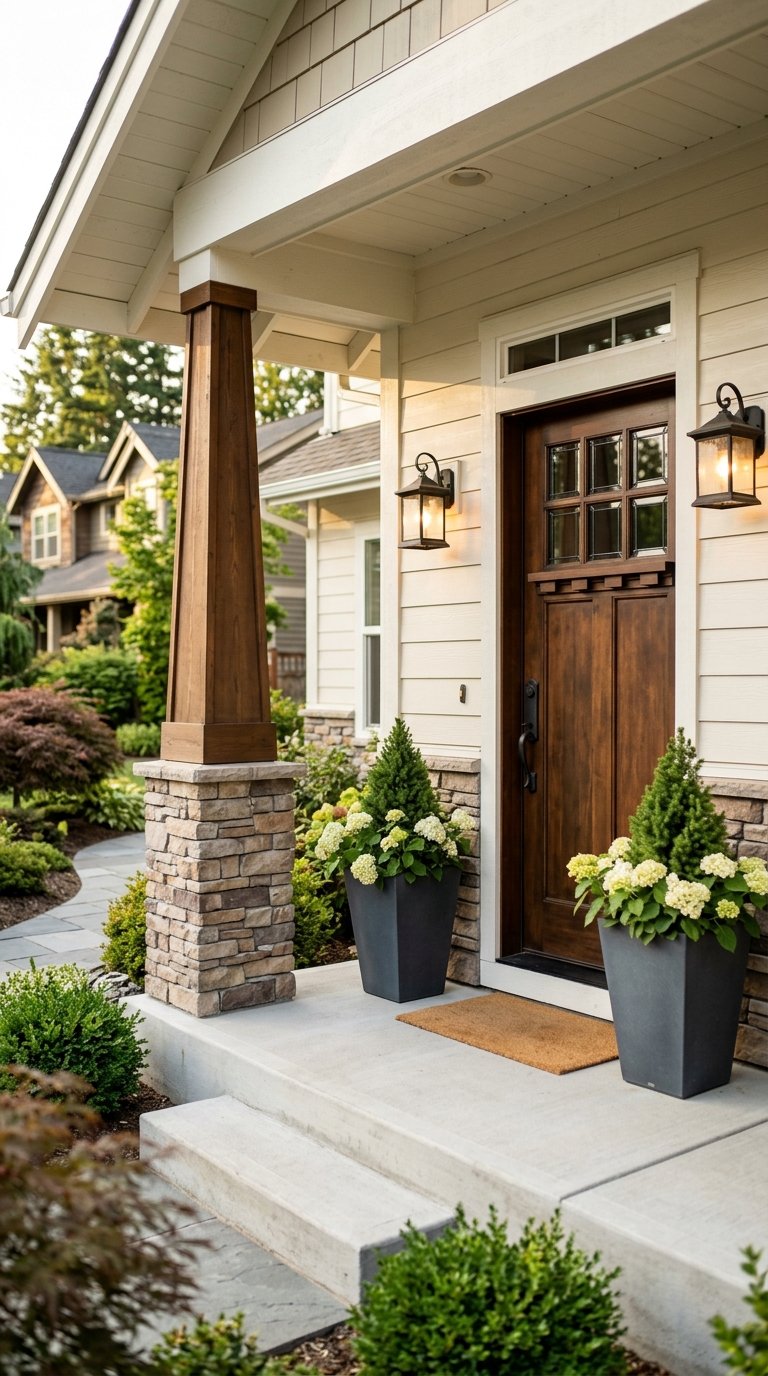
Positioning Your Centennial Home With Luxury-Style Marketing
April 16, 2026
April 16, 2026
If your Centennial home is going to compete online before it ever competes in person, the way you present it matters more than many sellers realize. You want strong offers, a confident launch, and a strategy that helps your home stand out without overreaching on price. Luxury-style marketing can do exactly that by making your home feel polished, intentional, and market-ready from day one. Let’s dive in.
Centennial sits in a strong price band within Arapahoe County, and that makes presentation especially important. As of March 31, 2026, Zillow reports a typical Centennial home value of $649,086, with a median sale price of $638,500, a median list price of $637,983, and median days to pending of 22.
Those numbers tell an important story. Homes are moving, but not all sellers are getting the same result. Zillow also shows that 18.0% of sales closed above list while 61.2% closed below list, which points to a market where strong presentation helps, but pricing discipline still matters.
Centennial also has a buyer base that supports a more polished approach. The city reports 110,208 residents, a median household income of $126,224, and 66.2% of residents with a bachelor’s degree or higher. In practical terms, that means many buyers are informed, selective, and used to comparing homes carefully.
Luxury-style marketing does not mean pretending every home is a mansion. It means presenting your property with the same level of care, quality, and strategy that buyers expect from premium listings.
For most Centennial sellers, that includes a few core elements:
This approach matches the way people actually shop for homes today. According to NAR’s 2024 buyer and seller report, 43% of buyers started by searching online, 69% used a mobile device or tablet, and 51% found their home through online searches.
If your listing does not look compelling online, many buyers may never schedule a showing. That is why luxury-style marketing is relevant far beyond the ultra-luxury segment.
NAR found that buyers consider photos, detailed information, and floor plans among the most useful website features. Zillow’s 2025 consumer housing trends report goes even deeper, showing that floor plans ranked as the most important listing feature for 33% of prospective buyers, high-resolution photos for 26%, 3D or virtual tours for 20%, and written descriptions for 15%.
That order matters. Buyers want to understand the home visually before they read a long description. In other words, your listing should help them imagine the space, the flow, and the experience of living there.
One of the biggest mistakes sellers make is focusing on marketing before the home is ready. The strongest launch usually begins with strategic preparation.
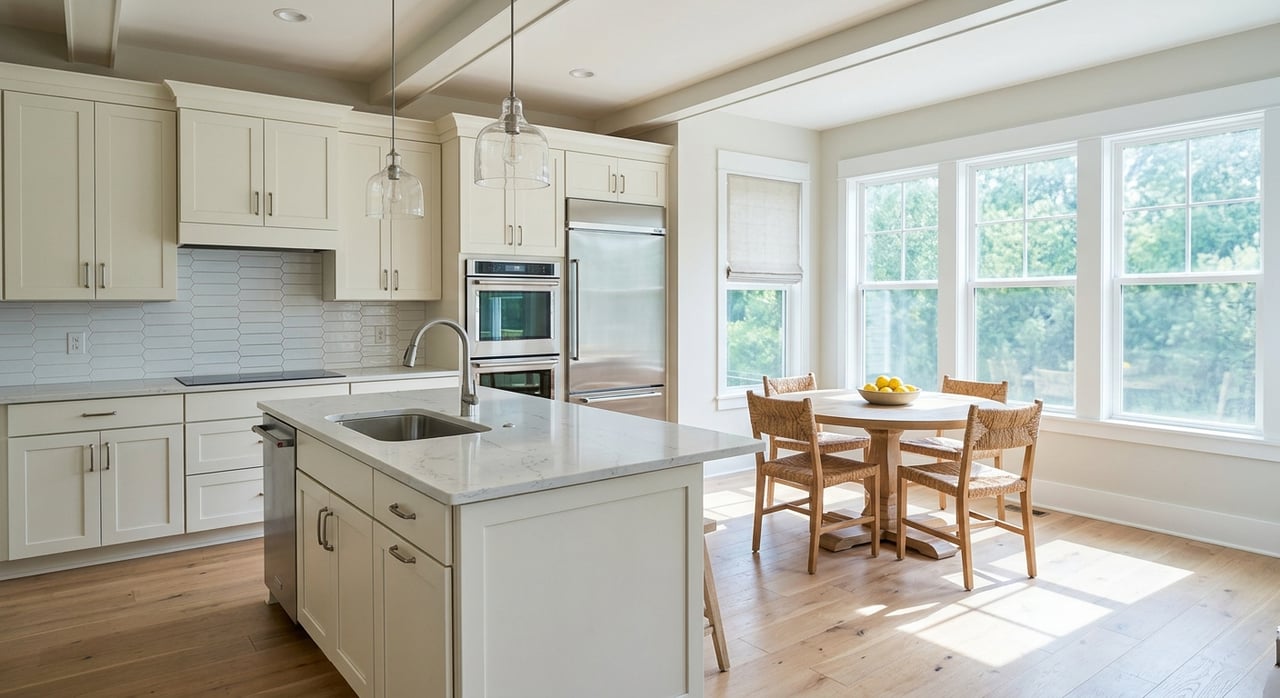
According to the NAR 2025 Profile of Home Staging, 83% of buyers’ agents said staging made it easier for buyers to visualize a property as a future home. The same report found that decluttering, full-home cleaning, curb appeal improvements, and professional photos were among the most common seller recommendations.
That does not mean you need to renovate everything. It means you should focus on the updates and presentation choices most likely to improve buyer perception.
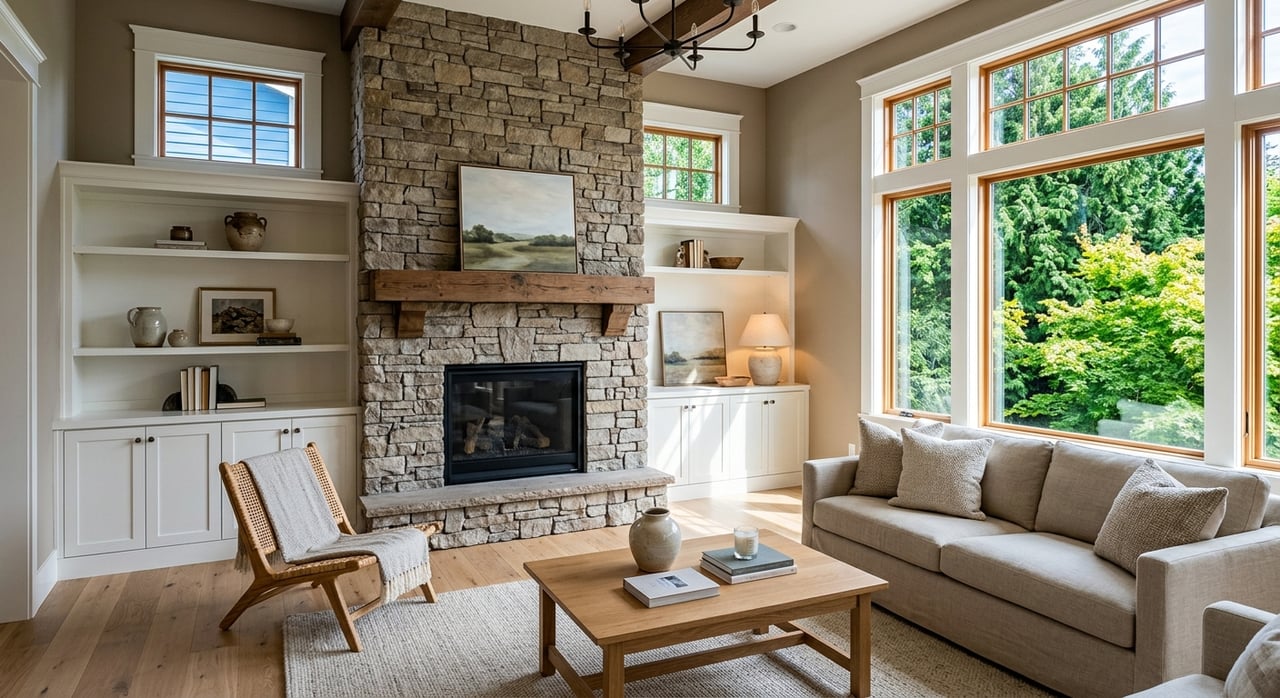
If you are deciding where to invest time and money, start with the spaces buyers tend to remember first. NAR’s staging report identifies these as the highest-priority rooms:
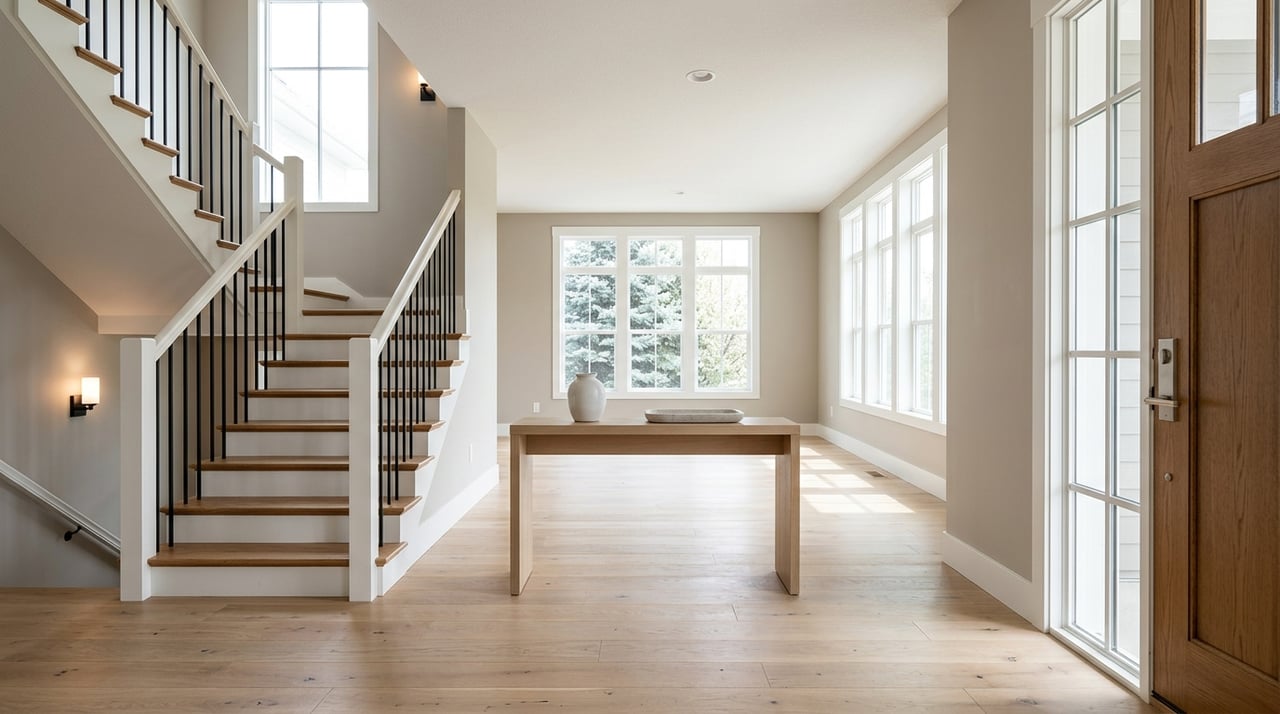
These spaces often shape a buyer’s first impression of comfort, function, and overall upkeep. If they feel bright, open, and well-composed, the rest of the home tends to benefit.
A polished home usually starts with fundamentals, not flashy add-ons. Before your home goes live, your checklist may include:
The same NAR report notes a median spend of $1,500 for a staging service, while agent-personally staged homes had a median spend of $500. Every home is different, but the larger point is clear: targeted preparation can be a practical value strategy, not just a cosmetic one.
Even the best marketing cannot fully compensate for a price that misses the market. In Centennial, that is especially important because many homes are still closing below list.
Luxury-style marketing works best when it is paired with realistic pricing from the start. The goal is not to make a home look more expensive than it is. The goal is to make sure buyers see its value clearly and respond quickly.
This matters because the first few days on market are often the most important for online attention. NAR’s guidance on maximizing online visibility emphasizes that early exposure can shape momentum, which makes launch quality critical.
Many sellers assume video is the centerpiece of premium marketing. Video can be useful, but the data shows that buyers often value other assets more.
Zillow found that floor plans and high-resolution photos outranked both virtual tours and written descriptions. That means your visual package should do more than look attractive. It should help buyers understand room size, layout, connection between spaces, and how the home actually lives.
For Centennial homes in the mid- to upper-market range, that level of clarity can help your listing feel more credible and more complete. It also respects the way research-driven buyers make decisions.
Great listing copy still matters, but it should not carry the full weight of the marketing. Buyers are usually looking at images, floor plans, and layout cues first.
That said, strong copy can still help frame the home well, especially for repeat or move-up buyers who may pay closer attention to detail. Zillow’s 2025 trends report found that written descriptions matter less than visual tools overall, though older buyers gave descriptions more weight.
The best listing narrative is clear, specific, and grounded in the home itself. It highlights layout, finishes, updates, outdoor space, and practical features without overselling.
A beautiful listing still needs reach. Once your home is market-ready, broad online visibility helps more buyers see it during the window when interest is highest.
NAR reports that 52% of buyers found the home they purchased online, and nearly half began their search there. Zillow’s consumer trends report also found that 68% of prospective buyers had viewed homes on a real estate website and 48% had already contacted an agent.
That is why premium marketing is not only about imagery. It is also about distribution. Your listing should be presented professionally and exposed where buyers are already searching.
In Centennial, luxury-style marketing is less about status and more about value maximization. With a relatively affluent and educated population, plus a price point above the broader county average, many buyers are comparing homes closely and making quick judgments based on quality of presentation.
For sellers, that creates a clear opportunity. When your home is well prepared, well priced, and launched with premium visuals and strong exposure, it has a better chance to capture attention early and support stronger negotiations.
This is also where a design-aware, hands-on approach can make a difference. Coordinating staging, photography, prep work, and listing strategy takes planning, and it often shows up in both buyer response and overall momentum.
If you are preparing to sell in Centennial, the goal is not to market your home like something it is not. The goal is to present it at its best, align that presentation with the market, and give buyers every reason to take your listing seriously. If you want a tailored strategy for your home, Christine Nottoli can help you plan the right preparation, pricing, and marketing approach.
Stay up to date on the latest real estate trends.
Transforming homes and investments with thoughtful design and market insight, ensuring every client reaches their real estate goals with confidence.