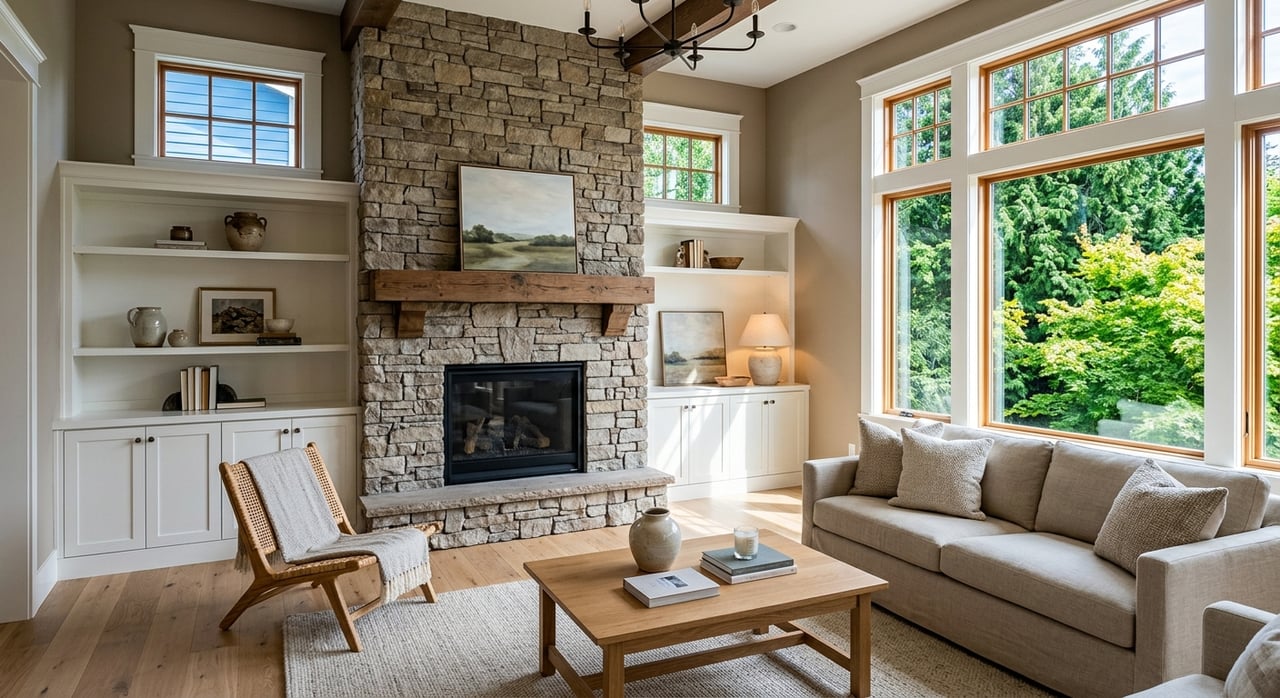
Strategic Home Preparation For A Top-Result Sale In Denver
May 14, 2026
May 14, 2026
Wondering how much you really need to do before listing your Denver home? In a market where buyers have more choices and presentation still shapes first impressions, the right prep can help you protect value without overspending. If you want a smart, strategic path to market, this guide will show you where to focus first, what matters most in Denver, and how to prepare your home for a stronger result. Let’s dive in.
Denver is not a market where every home sells the same way. As of April 2026, market snapshots show more active inventory, median days on market ranging from 14 days in MLS to 41 days on market depending on the source, and close-to-list ratios hovering around 99.44% to 100%. That means buyers are still paying close to asking in many cases, but they are also comparing more options before they commit.
For you as a seller, that changes the goal. It is not about throwing money at every update. It is about preparing your home in a way that reduces buyer objections, supports pricing, and helps your property stand out in photos, showings, and inspections.
Denver also varies widely by submarket and price point. Neighborhood-level data shows a broad range of median listing prices, from about $345,000 in Far Southeast Denver to about $1.795 million in Southeast Central Denver. A prep plan that makes sense for one area or price tier may not be the best use of money in another.
Before you pick paint colors or shop for new light fixtures, start with the items that can affect negotiations later. A pre-sale inspection is optional, but it can help uncover issues before your home hits the market. That gives you time to decide what should be repaired, what should be disclosed, and what can simply be documented.
National seller guidance points inspectors toward core systems and conditions like structure, exterior elements, roofing, plumbing, electrical, heating and air conditioning, ventilation, insulation, and fireplaces. These are the areas most likely to create buyer concern if they surface late. Finding them early gives you more control over timing and decision-making.
In Colorado, disclosure should be part of your preparation from day one. The current residential Seller’s Property Disclosure form is mandatory for use on or after January 1, 2026, and it must be completed based on your actual knowledge. It also requires prompt disclosure of newly discovered adverse material facts.
The form covers a wide range of topics, including structural issues, moisture or seepage, roof leaks or damage, flood or casualty damage, radon tests and mitigation, historic district status, metropolitan district status, and certain environmental or litigation issues. In other words, your prep plan should support accurate disclosure, not sit separate from it.
Radon is a major issue in Colorado and should never be treated like a minor box to check. The Colorado Department of Public Health and Environment says radon is a naturally occurring gas, the leading cause of lung cancer among nonsmokers, and is responsible for about 500 lung cancer deaths each year in Colorado. The state also says about half of Colorado homes test above the EPA action level of 4 pCi/L.
Colorado’s Division of Real Estate requires residential contracts and seller disclosures to include known radon test results, recent records and reports, descriptions of mitigation or remediation, mitigation system information, and the latest state radon brochure used in real estate transactions. If your home has been tested or mitigated, gathering that information early can help you avoid delays later.
Once you know the home’s condition, the next step is repair triage. Focus first on the items most likely to trigger inspection concerns or make buyers feel uncertain. That usually means roofing, water intrusion, structural concerns, HVAC, plumbing, electrical, and radon-related issues.
These repairs may not always be the most exciting, but they often do more to protect your sale than a flashy redesign. Buyers can live with a dated finish more easily than they can live with unanswered questions about leaks, systems, or safety-related concerns. When the essentials feel solid, buyers are more comfortable moving forward.
After that, shift to visible improvements that support a clean, move-in-ready impression. The 2025 Remodeling Impact Report from NARI says the top projects REALTORS most often recommend before listing are painting the entire home, painting one interior room, and installing new roofing. It also reports strong demand increases tied to kitchen upgrades, new roofing, and bathroom renovations.
For most Denver sellers, that points to a practical strategy. Invest first in repairs that reduce friction, then spend on buyer-facing cosmetic updates that improve presentation. Large custom remodels are often less efficient than targeted work that photographs well and helps buyers feel the home has been cared for.
In Denver, one of the easiest ways to lose time is to assume a project is simple when it is not. The city says most home construction or repair projects on single-family and duplex properties require a permit. At the same time, many cosmetic items do not.
According to the city, painting, tiling, floor coverings, refinishing wood floors, countertops, carpeting, cabinets, like-for-like plumbing fixtures, general non-system-altering repairs, and small drywall patching typically do not require permits. That makes these updates attractive when you want meaningful visual improvement without adding too much red tape.
Projects involving electrical, plumbing, mechanical, or HVAC work may require an exam or a licensed contractor. If your property is a local landmark or in a historic district, exterior work may also need a Certificate of Appropriateness before a permit application. These details matter because they can affect cost, timing, and your list date.
Denver also advises homeowners to get three written bids, check references, verify insurance, and confirm a contractor’s Denver license. If a repair goes beyond clearly cosmetic work, using a trusted contractor network can make the process much smoother.
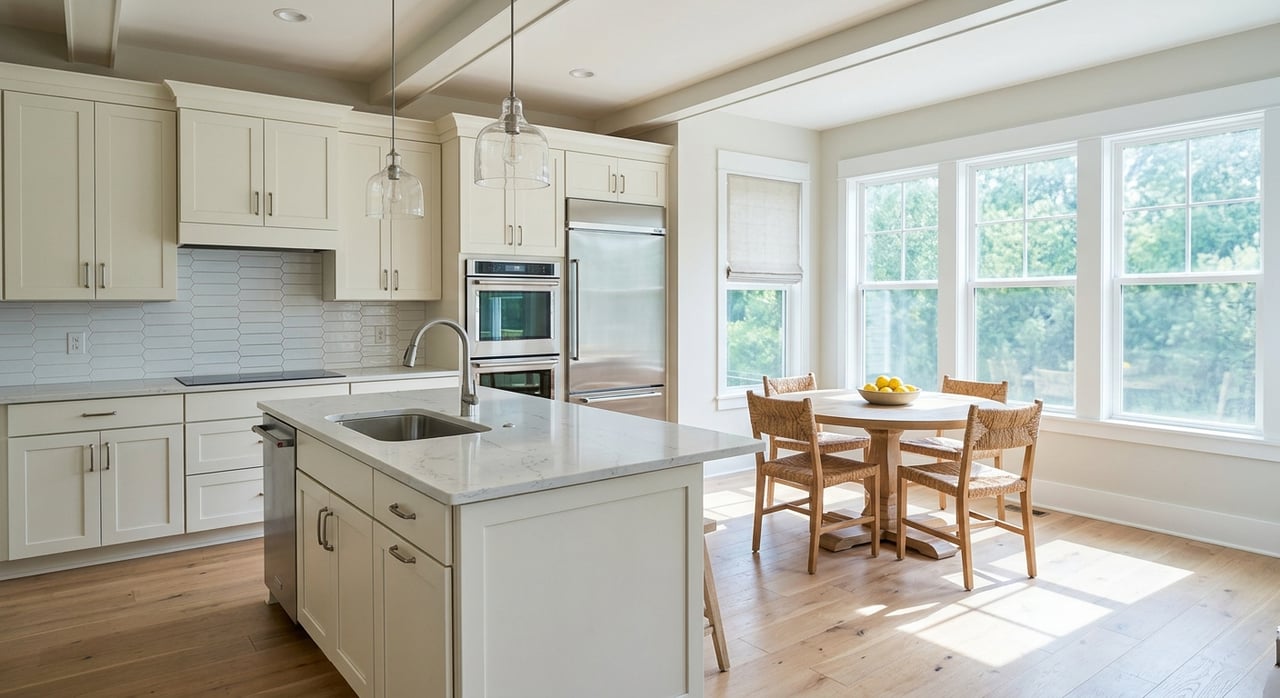
When you move into the cosmetic phase, think visible, simple, and broad appeal. Fresh paint, deep cleaning, flooring touch-ups, small hardware or fixture refreshes, and better curb appeal often do more for buyer perception than highly personalized upgrades. The goal is not to erase all character. It is to make the home feel well maintained, bright, and easy to imagine living in.
This is especially important in a market with more inventory than the pandemic years. Buyers are making side-by-side comparisons, both online and in person. If your home feels cleaner, calmer, and more move-in ready than competing listings, you can reduce hesitation.
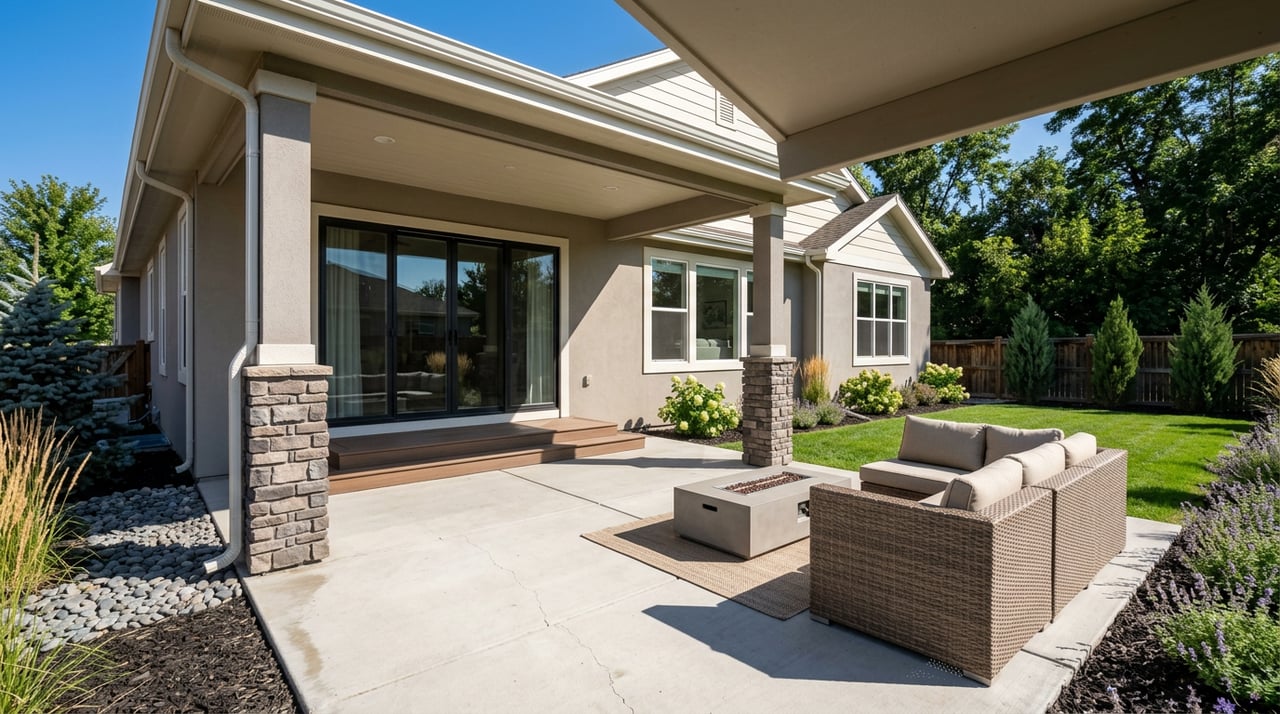
Curb appeal should be part of that effort, not an afterthought. Seller guidance highlights basics like checking the lawn, bushes, walkway, and front entry. In practice, that means your exterior should feel tidy, cared for, and welcoming from the very first glance.
Staging is one of the most practical tools you can use before launch. According to NAR’s 2025 Profile of Home Staging, 83% of buyers’ agents said staging made it easier for a buyer to visualize a property as a future home. Another 29% said staging their sellers’ homes led to a 1% to 10% increase in the dollar value offered, and 49% of sellers’ agents said staging reduced time on market.
That does not mean every home needs full-service staging in every room. It does mean the spaces buyers notice first should look intentional and polished. The most commonly staged rooms were the living room, primary bedroom, and dining room.
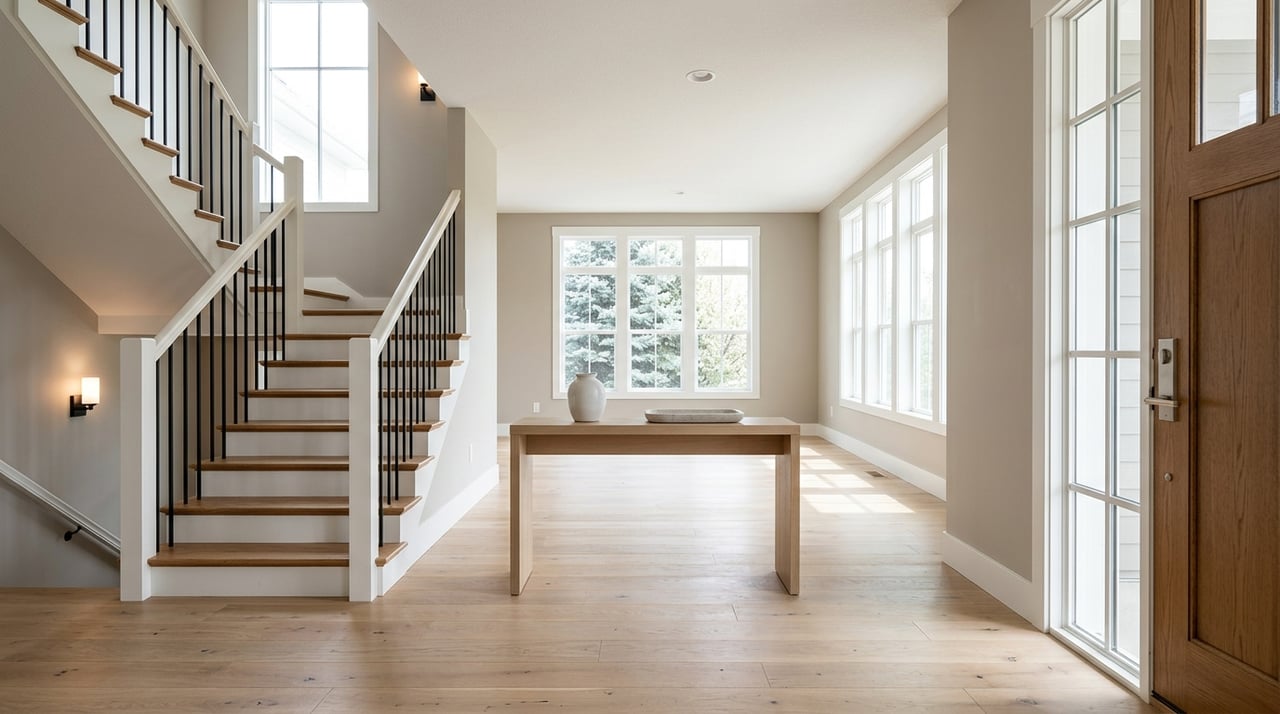
For many Denver listings, it also makes sense to give special attention to the entry. That is where a buyer’s first in-person impression begins, and it plays a major role in how the whole showing feels. When those key spaces are edited and well presented, your home tends to photograph better and show more confidently.
You do not need to fully redecorate your home to make it market-ready. In many cases, the bigger win is editing what is already there. NAR’s seller checklist emphasizes decluttering, deep cleaning, collecting warranties and manuals, and gathering replacement estimates for aging items.
That approach works because clutter competes with the features buyers are trying to notice. Clean surfaces, open walkways, balanced furniture placement, and lighter styling help rooms feel larger and more functional. The result is a home that feels easier to understand and easier to say yes to.
If you want a clear framework, this is a practical way to approach seller prep in Denver:
This process helps you spend with purpose. It also helps you avoid the common mistake of making pretty changes first while leaving more important issues unresolved in the background.
The strongest prep strategy is never generic. A home in Hilltop, Cherry Creek, Baker, or a suburban Denver-area market may call for a different level of finish, a different staging approach, and a different repair budget. What matters is whether the work supports your likely buyer, your price point, and your competition.
That is where local knowledge becomes valuable. You want to know which updates are likely to matter in your segment, which projects can delay your timeline, and where presentation can have the biggest payoff. A thoughtful plan should feel measured, not reactive.
For sellers in the mid- to upper-market range, design sensitivity and execution can make a real difference. The right preparation does not just improve how the home looks. It creates a more consistent story from photos to showings to offers.
If you are preparing to sell in Denver, the best first step is to create a prep plan that fits your home, your timing, and your likely buyer. For tailored guidance, trusted vendor coordination, and a thoughtful strategy from start to finish, connect with Christine Nottoli.
Stay up to date on the latest real estate trends.





Transforming homes and investments with thoughtful design and market insight, ensuring every client reaches their real estate goals with confidence.