Comparing Denver Hilltop and Cherry Creek Homes
June 4, 2026
June 4, 2026
Wondering what really sets Hilltop and Cherry Creek apart once you start looking past price points and square footage? In Denver, these two neighborhoods offer very different architectural experiences, even though both are known for attractive streets and strong design appeal. If you are trying to picture your next move, this guide will help you understand how each area looks, feels, and lives day to day. Let’s dive in.
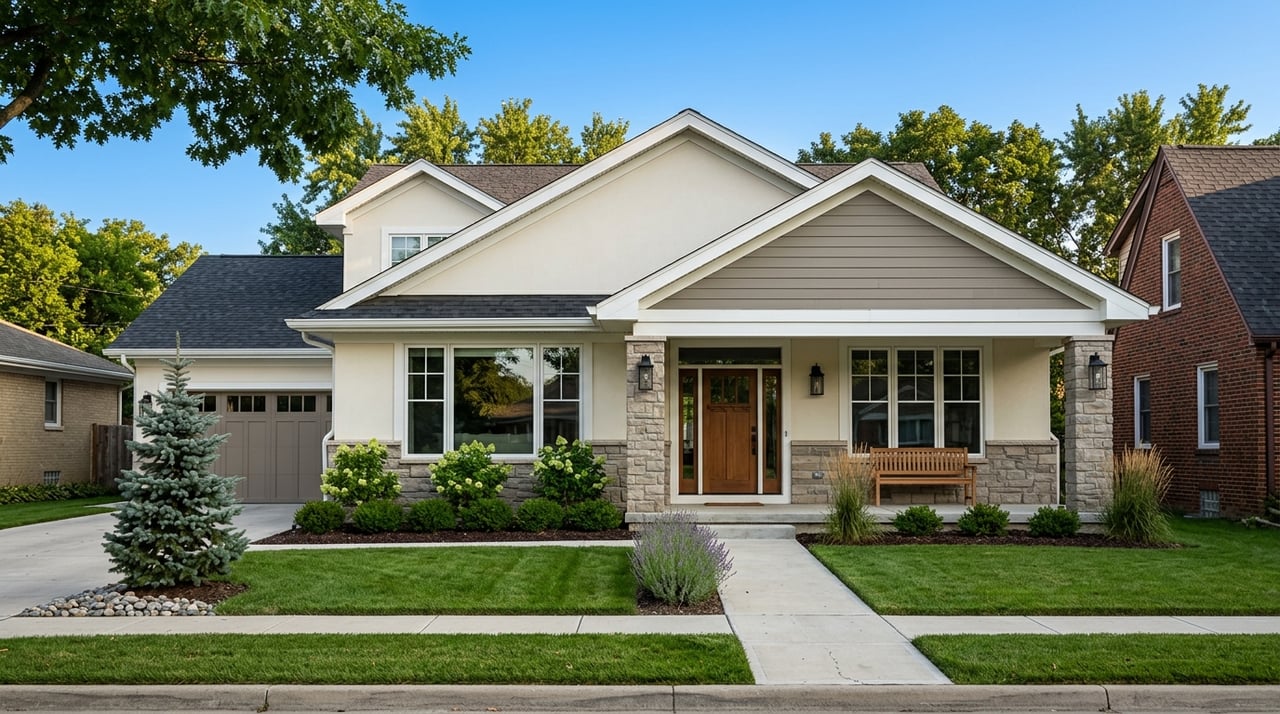
Hilltop is not a one-style neighborhood. Instead, it is best understood as a layered residential area where traditional single-family homes, postwar ranches, mid-century modern or modernist examples, and contemporary custom rebuilds can all appear within the same general streetscape.
That mix is a big part of Hilltop’s appeal. You are not walking through a district with one strict architectural identity. You are seeing a neighborhood where older homes and newer infill often sit side by side, creating visual variety while still feeling rooted in a residential setting.
A major reason Hilltop feels open and established is its lot pattern. The neighborhood is generally zoned with a 9,000-square-foot minimum lot size, and the Hilltop Heritage Conservation Overlay District adds further subdivision protections by requiring resulting lots in the overlay to be at least 75 feet wide and at least 9,300 square feet.
For you as a buyer or seller, that matters because lot size affects more than just yard space. It shapes the rhythm of the block, the spacing between homes, the depth of landscaping, and the sense of breathing room that many people associate with Hilltop.
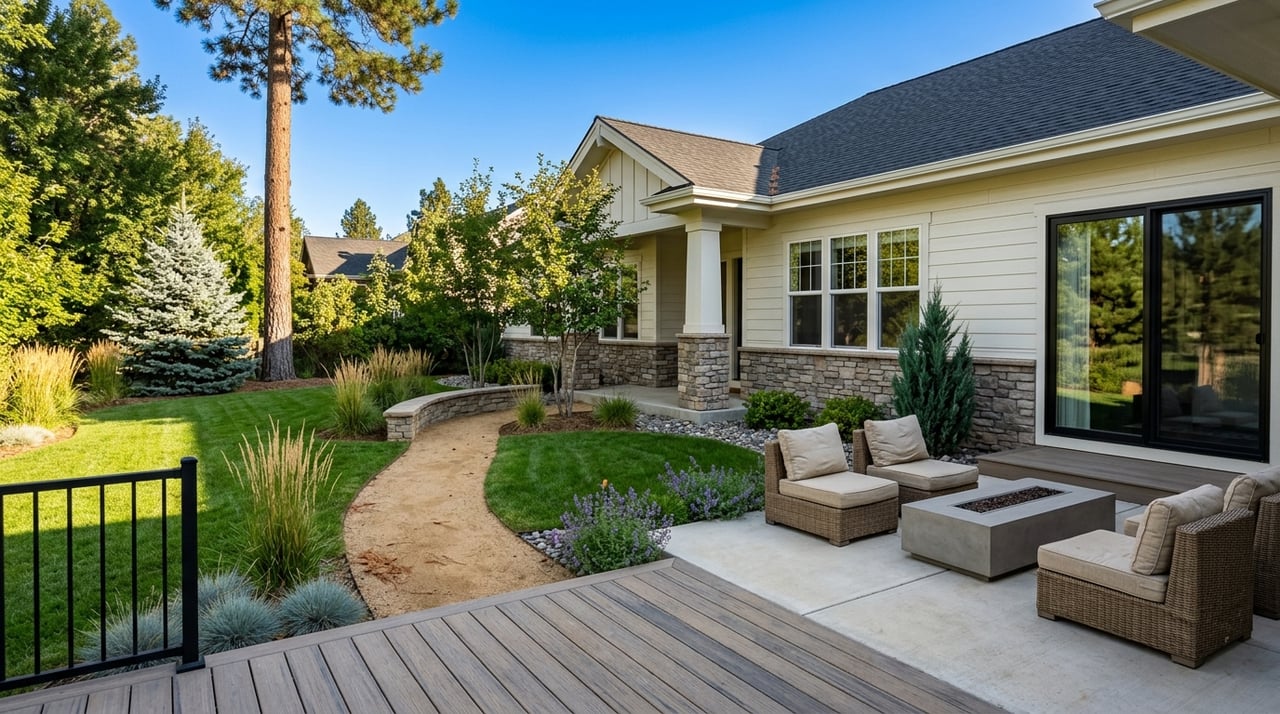
In Hilltop, the architecture is closely tied to the landscape. The neighborhood is known for tree-lined streets, active parks, and views from Cranmer Park, and local preservation efforts have emphasized features like front porches, rear garages, and alleys as important parts of neighborhood character.
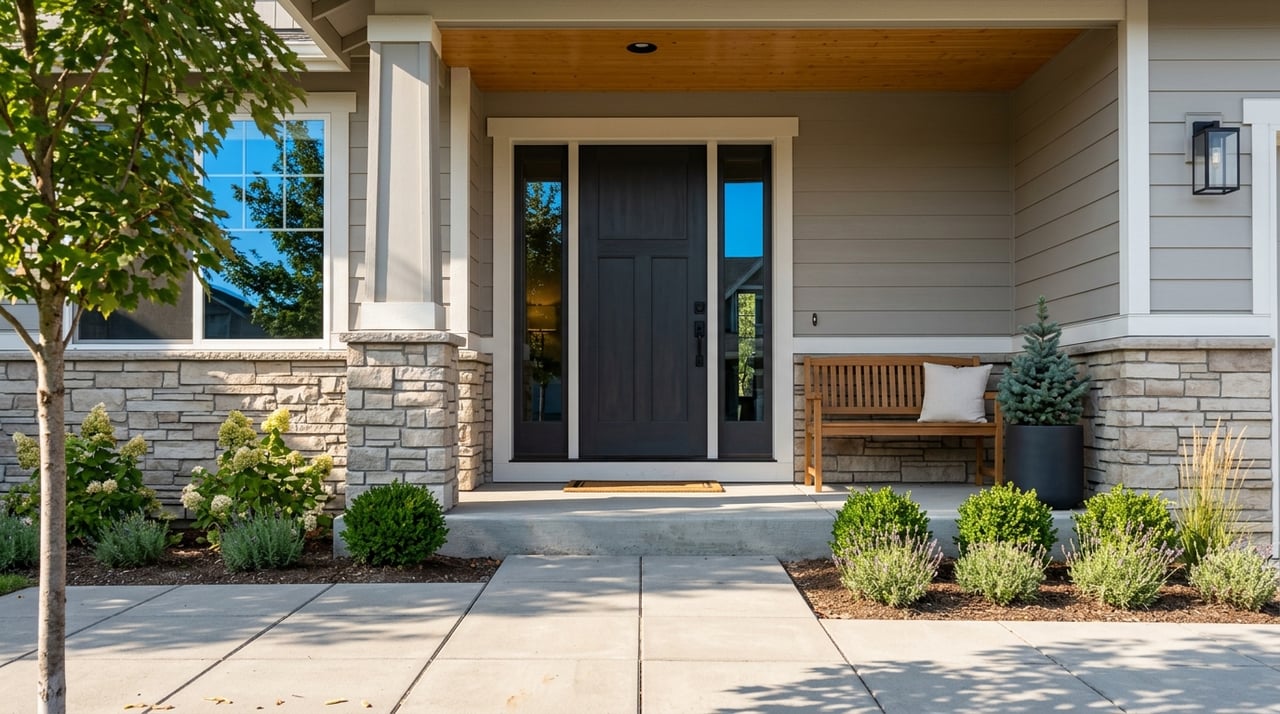
That means curb appeal in Hilltop often goes beyond the house itself. Porch presence, mature trees, yard depth, and the relationship between the home and the street all help define what feels authentic in the neighborhood.
While Hilltop has a classic residential feel, it also includes notable modern design. Examples highlighted by the Denver Architecture Foundation include the 1938 Nordlund House, a concrete modern experiment, and a 1950s ranch later reimagined as a contemporary modernist residence.
This tells you something important about the neighborhood. Hilltop can support design-forward homes, but they tend to make the strongest impression when they respond to the lot, landscaping, and street presence around them.
Cherry Creek also resists a single style label, but for different reasons. Rather than reading as a purely residential district, it is better described as a blend of dense urban development and tree-lined residential streets, with design standards focused on compatibility and pedestrian experience.
In practical terms, Cherry Creek feels more urban overall. You may see contemporary mixed-use buildings, newer infill, and street-oriented residential forms that work together through shared design rules rather than a shared historic style.
In Cherry Creek East and Cherry Creek North, the focus is less about copying one look and more about maintaining visual coherence. Design materials and standards emphasize building orientation, facades, window proportions, porches, landscaping, lighting, and how a building meets the street.
For you, that creates a neighborhood experience that feels intentional. Even when buildings differ in style, there is still a sense of order because the streetscape is carefully considered.
Cherry Creek’s built environment is closely tied to how people move through it. Recent overlays in Cherry Creek East reinforce detached sidewalks, tree lawns, landscaped and block-sensitive setbacks, alley access to structures, limited curb cuts, and entry features that are visible from the street.
Those details may sound technical, but they have a real impact. They help create a neighborhood where the architecture supports walking, daily errands, and outdoor activity instead of turning inward away from the street.
One especially distinctive feature in Cherry Creek East is outdoor lighting. The neighborhood association notes black steel lamp posts in the tree lawn, and overlay standards added a minimum of two outdoor light fixtures for new development to support pedestrian experience and neighborhood character.
That may seem like a small detail, but it adds to the polished, urban feel of the area. In Cherry Creek, architecture is not only about the building itself. It is also about how the public-facing environment looks and functions.
If you are comparing the two neighborhoods, the clearest difference is how architecture connects to lifestyle. Hilltop usually signals larger residential lots, mature landscaping, porches, yards, and a more classic neighborhood feel. Cherry Creek signals stronger street presence, a more urban rhythm, and design choices that support walkability and a mixed-use environment.
Neither is better across the board. The right fit depends on whether you are drawn to spacious residential blocks and layered home styles, or a more connected, street-oriented setting with tighter design standards.
When you visit Hilltop, pay attention to the spacing between homes, the size and depth of the lots, the porch presence, and how mature trees shape the streetscape. Notice how traditional houses, ranches, and newer rebuilds interact on the same block.
When you visit Cherry Creek, focus on how buildings meet the sidewalk, where entries are placed, how landscaping softens the streetscape, and how lighting, setbacks, and alley access influence the feel of the block. These details often explain the neighborhood better than any style label can.
If you are preparing to sell in either neighborhood, architectural context matters. In Hilltop, presentation often benefits from highlighting lot size, landscape depth, porch character, and the relationship between the home and its outdoor space.
In Cherry Creek, it helps to emphasize design coherence, street presence, outdoor lighting, and features that support a walkable lifestyle. Buyers in both areas tend to notice design, but they often value different expressions of it.
For sellers, this is where neighborhood-specific marketing can make a real difference. The story of a home in Hilltop is often tied to scale, setting, and residential character, while the story of a home in Cherry Creek may lean more on urban compatibility, street orientation, and polished exterior presentation.
Architecture is not just a visual detail. It shapes how a neighborhood feels when you arrive, how a street functions, and what kind of daily experience you can expect.
In Hilltop and Cherry Creek, style is about more than labels like traditional or modern. It is about lot patterns, porches, landscaping, setbacks, lighting, and how private homes connect to public space. When you understand those elements, you can make a more confident decision as a buyer or position your home more effectively as a seller.
If you are considering a move in Hilltop or Cherry Creek, working with someone who understands both design and neighborhood context can help you see the full picture. To start that conversation, connect with Christine Nottoli.
Stay up to date on the latest real estate trends.

Transforming homes and investments with thoughtful design and market insight, ensuring every client reaches their real estate goals with confidence.