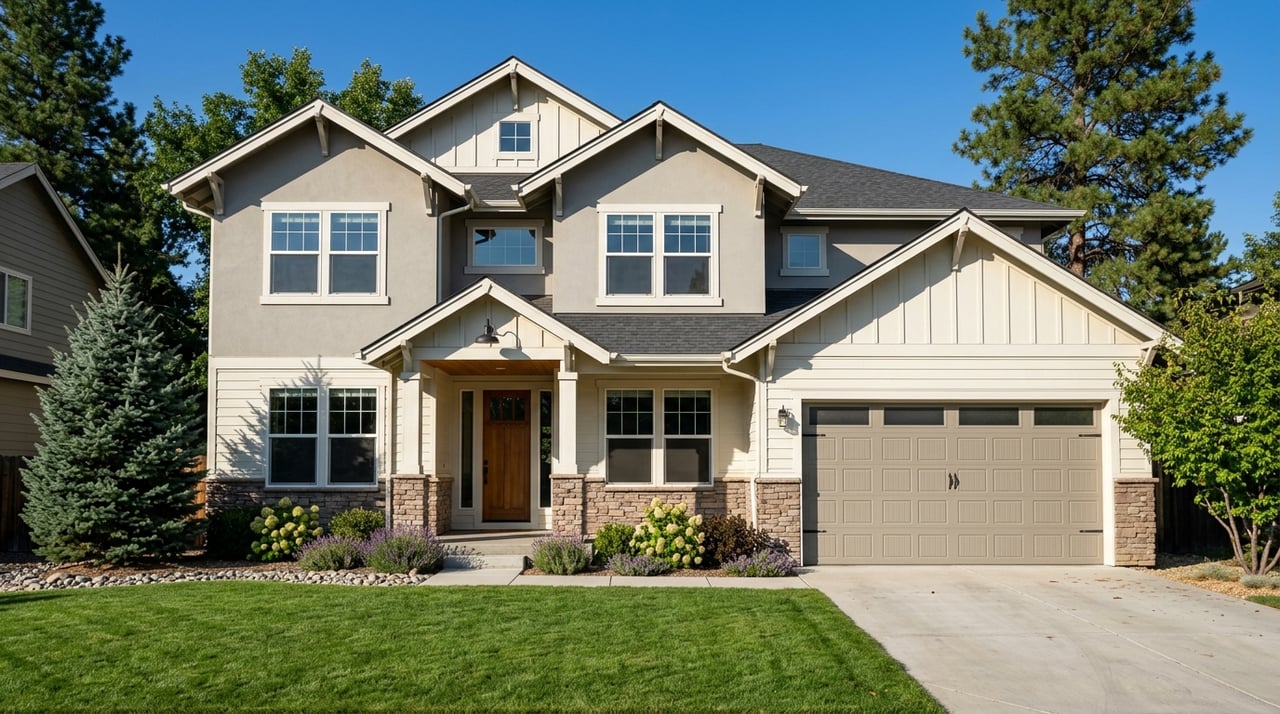
Newer Or Established Centennial Neighborhoods For Move-Up Buyers
July 9, 2026
July 9, 2026
Wondering whether a newer or more established Centennial neighborhood is the better fit for your next move? If you are a move-up buyer, that choice often comes down to how you want to live day to day, not just how new the home looks on paper. In Centennial, the city’s own planning framework makes that comparison especially useful, and understanding it can help you focus on the neighborhoods that match your priorities. Let’s dive in.
Centennial’s 2040 planning framework separates the city into Legacy Neighborhoods and Emerging Neighborhoods. Legacy areas are generally older, built-out neighborhoods that developed before the city’s incorporation in 2001 or shortly after. Emerging areas are places where more recent development or planned future growth is shaping the neighborhood experience.
That distinction matters because it affects more than home age. It can influence street patterns, lot sizes, nearby amenities, monthly costs, and the amount of change you should expect around you over time.
In Centennial, newer growth is concentrated in places such as Midtown Centennial and The District-Centennial near Dry Creek and I-25. The city is guiding these areas as walkable, mixed-use places with residential development near retail, office, and transit connections. For many move-up buyers, that creates a more connected and convenience-driven lifestyle.
The District-Centennial is planned under an Urban Center zoning approach, and the city regulates details such as street networks, building types, frontage types, heights, and residential unit counts. In practical terms, that often creates a more predictable neighborhood feel with less variation from one block or building to the next.
If you like the idea of a neighborhood that feels intentionally planned, newer areas may stand out. You may also appreciate being closer to emerging amenities, newer infrastructure, and a design approach built around walkability and access.
Newer neighborhoods tend to appeal to buyers who want:
For some households, that tradeoff feels worth it. You may get a home and neighborhood that align well with a busy schedule, especially if ease of living and convenience rank high on your list.
Legacy Neighborhoods are Centennial’s older, more built-out areas. The city describes them as having a mix of detached, attached, and multifamily homes on curvilinear streets, with commercial uses along major corridors and ongoing reinvestment in neighborhood-serving retail and mixed-use areas.
For you as a buyer, that usually means a neighborhood fabric that already feels settled. Street patterns are often more mature, the surrounding area is more established, and the overall feel can be less about future buildout and more about long-term continuity.
Established neighborhoods can also offer a different kind of opportunity. Because the housing stock is older, you may find homes with renovation or personalization potential, which can be attractive if you want to shape a property around your style over time.
Established neighborhoods often fit buyers who want:
That does not mean every established neighborhood will feel the same. Some may have long-standing associations, while others may feel more lightly governed and more varied from one block to the next.
One of the biggest decisions for move-up buyers is how to balance newness, space, and upkeep. Centennial’s Emerging Neighborhoods are described by the city as denser and more space-efficient. That usually points to a common tradeoff: newer homes and layouts, but often with tighter lots and less yard space.
Legacy Neighborhoods generally come with older housing stock. While that can mean more maintenance or updating, it may also give you more room to personalize the home and potentially enjoy a different lot configuration than you might find in a newer setting.
This is where your priorities matter most. If you want a move-in-ready feel with fewer immediate projects, a newer area may be the better match. If you are comfortable improving an older home in exchange for a more settled neighborhood fabric, established areas may deserve a closer look.
It is also important to think beyond the home itself and consider what the surrounding area may look like a few years from now. The District-Centennial is expected to build out over roughly 10 to 20 years. That means buyers in or near emerging areas should be ready for a longer period of nearby construction and ongoing change.
For some buyers, that is a positive. You may enjoy getting into an area early while amenities continue to expand. For others, the idea of years of development nearby may feel less appealing than the stability of a more established neighborhood.
When comparing neighborhoods in Centennial, your monthly cost is not just about principal, interest, taxes, and insurance. The city points residents to HOA and civic association resources, as well as a special-districts map, and notes that general improvement districts are local taxing entities. That is an important reminder to look closely at the neighborhood’s governance structure.
In newer areas, there may be more layers involved. In The District-Centennial, for example, the Jones Metro District helps maintain streets, sidewalks, and the public plaza alongside the city. That can affect both the services provided and the total cost of ownership.
Established neighborhoods can vary widely. Some have long-standing HOAs, some have civic associations, and others may be more lightly governed. Before you compare one neighborhood to another, make sure you understand:
For move-up buyers, this step is especially important because two homes with similar prices can carry very different ongoing costs.
Centennial offers access to major roadways, interstate highways, E-470, light rail, and bus service. The city is also working to improve transportation and mobility options throughout Centennial, which is a benefit whether you are looking at a newer or established neighborhood.
If rail access matters to you, Dry Creek Station is a key option. RTD lists service there on the E, R, and T rail lines, along with a FlexRide route. That makes the newer growth around Dry Creek especially relevant for buyers who want commuting flexibility beyond freeway driving.
Midtown Centennial is centered around Dry Creek Station, I-25, Centennial Airport, and an emerging mixed-use district. The city’s plan emphasizes pedestrian-friendly streets, parks, and places for living, working, shopping, and recreation, which may be especially appealing if you want a more amenity-rich daily routine.
The District-Centennial is also designed to be walkable and bikeable, with connections to nearby trails and an existing pedestrian bridge across I-25 at Dry Creek Station. If your version of convenience includes walking, biking, or easy transit access, newer areas may line up more closely with your goals.
No matter which type of neighborhood you prefer, Centennial offers strong lifestyle infrastructure. The city says it has more than 100 parks, 100 miles of trails, and more than 4,000 acres of open space. That broad access to outdoor amenities is a meaningful advantage for buyers comparing different parts of the city.
Centennial Center Park is one notable civic destination near Arapahoe. The 15-acre park includes an amphitheater, playground, splash pad, landscaped gardens, and walking paths, giving residents another option for everyday recreation and community use.
For shopping and dining convenience in a more established mixed-use setting, The Streets at SouthGlenn remains a major Centennial destination at Arapahoe and University. The city’s update shows redevelopment activity is still ongoing there, which is a good example of how established areas can still evolve while remaining well known local anchors.
The most useful question is not simply whether a neighborhood is newer or older. In Centennial, the better question is whether you want compact, amenity-rich, transit-oriented growth or a more settled neighborhood fabric with older housing stock and a different maintenance profile.
A newer area may fit best if you value walkability, planned design, and newer construction. An established area may fit best if you want a mature setting, more variation in the housing stock, and the chance to personalize an older home over time.
For move-up buyers, the right answer is usually the one that best supports your day-to-day life. Your commute, your comfort with upkeep, your preference for predictability versus character, and your tolerance for nearby development all matter just as much as square footage.
If you are weighing neighborhoods in Centennial and want a grounded, design-aware perspective on what fits your goals, Christine Nottoli can help you compare options with clarity and confidence.
Stay up to date on the latest real estate trends.

Transforming homes and investments with thoughtful design and market insight, ensuring every client reaches their real estate goals with confidence.