How Staging Affects Days On Market In Central Denver
June 18, 2026
June 18, 2026
If your home hits the market and sits, buyers start asking questions. In Central Denver, where one neighborhood can move in a week and another can take much longer, that first impression matters more than many sellers realize. The good news is that thoughtful staging can help your home feel move-in ready, photograph better, and stand out early. Let’s dive in.
Central Denver is not one single market. Recent local data shows homes in the broader area selling in about 32 days on average, but timing changes a lot by neighborhood.
Hilltop has been moving especially quickly, with homes going pending in around 9 days and a median 7 days on market. Cherry Creek has been closer to 22 to 23 days, while Downtown Denver has been around 31 to 33 days. Capitol Hill has been closer to 44 to 45 days, Baker around 42 days, and Cherry Creek North around 92 days.
That range tells you something important. Presentation can influence whether your listing lands on the faster end of your neighborhood’s timeline or drifts toward the slower end.
At the metro level, Denver Metro Association of Realtors reported median days in MLS of 14 in April 2026, down from 16 in March. DMAR also noted that the $1M+ segment had 13 days in MLS in May and continued to reward turnkey homes priced accurately for 2026.
That matters in Central Denver, especially in higher-priced areas like Hilltop and Cherry Creek. Buyers in those segments often respond quickly to homes that feel polished, current, and easy to say yes to.
Staging does not guarantee a faster sale, but the research strongly suggests it can improve buyer response. That is the key connection to days on market.
In the National Association of Realtors 2025 staging survey, 49% of sellers’ agents said staging reduced time on market. In the same survey, 83% of buyers’ agents said staging made it easier for buyers to picture the property as their future home.
That emotional connection matters because most buyers see your home online before they ever step inside. If the rooms feel clean, balanced, and inviting in photos, you have a better chance of turning online interest into in-person showings.
The same survey found that 31% of buyers’ agents said staged homes made buyers more willing to tour after seeing them online. Only 12% said staging had no effect on buyers’ views.
In many Central Denver sales, the showing decision starts with your listing photos. Buyers are scanning quickly, comparing multiple homes, and forming opinions in seconds.
That is why staging and professional photography work best as a package. NAR notes that buyer agents rate photos as highly important, and staging helps those photos look more intentional, spacious, and memorable.
When a home is unstaged, cluttered, or visually flat, buyers may hesitate to schedule a showing. Even if the home is well located or fairly priced, weak presentation can reduce momentum right at launch.
In faster-moving neighborhoods like Hilltop, that can mean missing the first wave of attention. In slower pockets like Capitol Hill or Cherry Creek North, it can add to the risk that buyers view the property as stale.
Staging is not about making your home look fancy for its own sake. It is about helping buyers understand the space quickly and positively.
A well-staged home tends to do a few things better:
That last point is especially important. If buyers can picture how they would use the living room, kitchen, primary bedroom, or outdoor space, they are more likely to connect with the home and act sooner.
If you do not want to stage every room, focus on the spaces buyers notice first and remember most. NAR identifies the living room, primary bedroom, kitchen, dining room, and outdoor spaces as the top areas to prioritize.
For many Central Denver homes, that approach makes sense. These are the rooms that shape the overall feeling of the listing and often drive whether buyers see the home as turnkey.
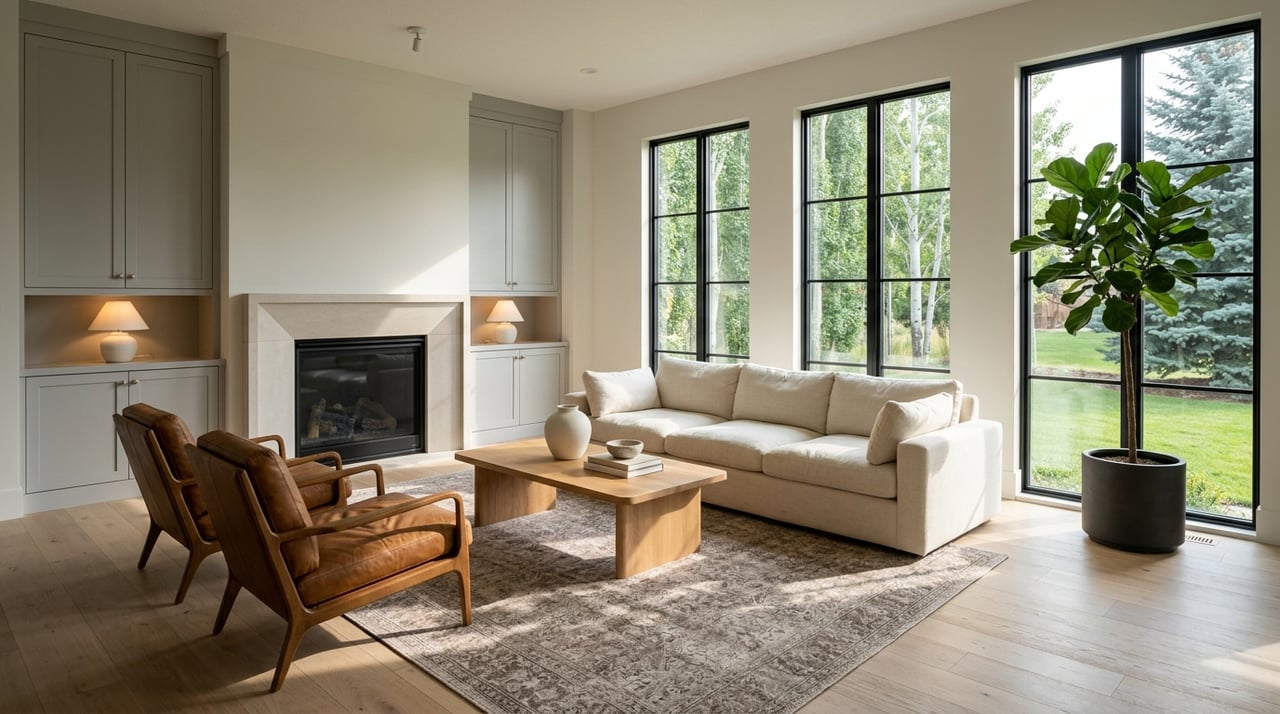
The living room often sets the tone for the entire home. Good staging here can improve flow, define conversation space, and make the room feel balanced rather than crowded.
The primary bedroom should feel calm and spacious. Clean bedding, minimal furniture, and thoughtful styling can make the room feel more restful and functional.
Kitchens and dining spaces often carry a lot of visual weight in listing photos. Clear counters, good lighting, and simple styling can help these spaces feel fresh and usable.
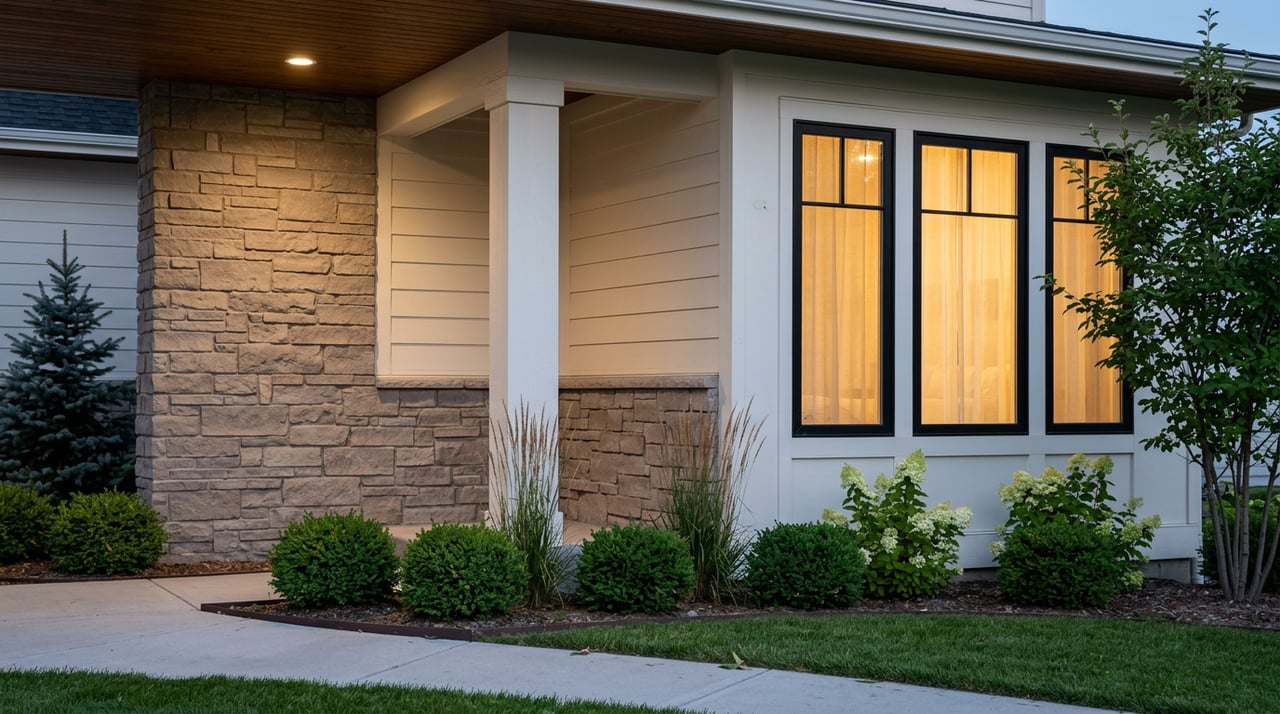
Outdoor areas matter more than many sellers expect. A tidy patio, porch, deck, or backyard seating area can add to the sense that the home is ready to enjoy from day one.
For most Central Denver sellers, the best return usually does not come from a major remodel. It comes from a smart launch plan.
According to NAR guidance, the highest-impact prep typically includes:
This is especially relevant in the upper-price ranges. DMAR reported that the $1M+ market continues to reward turnkey homes priced accurately, while older inventory can take longer to move.
If your home is competing in Hilltop, Cherry Creek, or Cherry Creek North, polished presentation can help you capture early attention. It can also reduce the chance that buyers mentally discount the home because it feels like work.
You do not need to do everything at once to improve days on market. If your budget is tight, focus on the essentials that support both the in-person showing and the online first impression.
A strong minimum plan includes:
If you can add staging, start with the main living spaces and primary bedroom. That targeted approach often creates the biggest visual difference without the cost of staging the entire house.
NAR reported median staging costs of $1,500 for a staging service and $500 for agent-handled staging. For many sellers, that makes focused staging and cosmetic prep easier to justify than large renovation work.
Usually, no. Virtual staging can be helpful as a supplement, but it should not be your entire strategy if you want the strongest possible launch.
The research suggests physical staging still carries more value for many agents, especially when buyers move from photos to an actual showing. If the home looks warm and complete online but feels empty or mismatched in person, that can weaken trust.
In Central Denver’s mixed-speed market, consistency matters. Buyers should feel the same sense of polish when they walk through the front door that they felt when they first saw the photos.
Staging works best when it supports accurate pricing, not when it tries to cover for overpricing. In Denver’s current market, buyers are still willing to move quickly for homes that feel turnkey and are priced in line with the market.
That is why staging should be part of your launch strategy, not a last-minute add-on. When your home is well prepared, well photographed, and priced appropriately, you give it the best chance to attract serious interest early.
That early momentum can matter a lot. The first days on market often shape buyer perception, showing activity, and negotiating leverage.
The highest-value prep is often cosmetic, but it still takes coordination. Cleaning, touch-ups, staging, photography, and timing all need to work together before your home goes live.
That is where a design-aware listing strategy can make a real difference. Instead of over-improving or guessing where to spend, you can focus on the updates most likely to help your home show well in its specific Central Denver submarket.
For sellers in neighborhoods like Hilltop, Cherry Creek, and Baker, that neighborhood-level judgment matters. The goal is not just to make your home look better. The goal is to launch in a way that supports stronger attention and fewer days on market.
If you are getting ready to sell in Central Denver, a thoughtful prep plan can help your home enter the market with confidence. For tailored guidance on staging, presentation, and timing, connect with Christine Nottoli.
Stay up to date on the latest real estate trends.






Transforming homes and investments with thoughtful design and market insight, ensuring every client reaches their real estate goals with confidence.