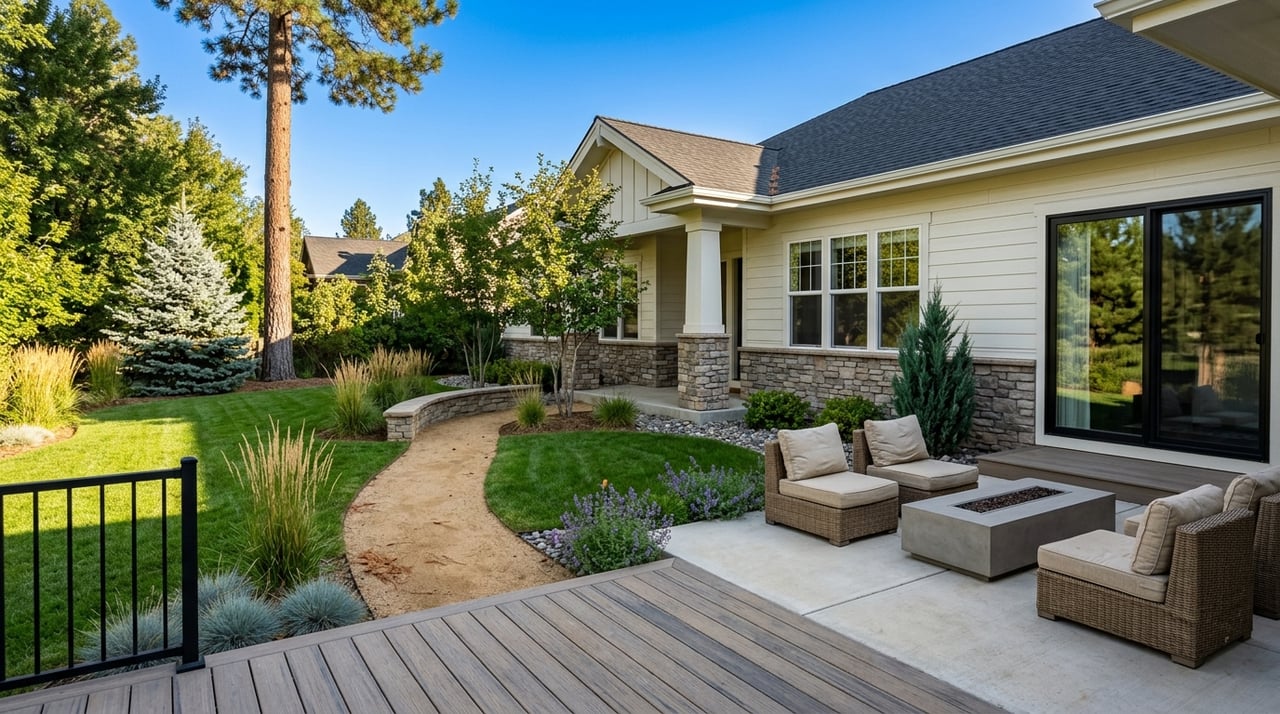
Centennial CO Outdoor Living Near Trails and Parks
July 2, 2026
July 2, 2026
If outdoor access is high on your list, Centennial deserves a close look. This city has built a lifestyle around parks, trails, and open space, which can make day-to-day living feel a lot more flexible whether you want an easy evening walk, a longer bike ride, or a park that works for everyday downtime. If you are buying or selling in Centennial, understanding how outdoor living shows up in both the community and the home can help you make smarter decisions. Let’s dive in.
Centennial’s outdoor identity is not just a marketing phrase. According to the city, Centennial offers more than 100 parks, 100 miles of trails, and more than 4,000 acres of open space through a mix of city resources and partner districts.
That scale matters because it shapes how people use the city every day. Instead of relying on one signature park, you have a network of places for walking, biking, play, and time outside spread across different parts of Centennial.
For buyers, that can make outdoor access part of your regular routine, not just a weekend plan. For sellers, it helps explain why homes with practical, usable outdoor features often connect well with local lifestyle priorities.
Centennial includes a mix of neighborhood parks, city anchors, and larger open spaces. Some are designed for quick daily use, while others connect into broader trail systems that reach well beyond city limits.
Centennial Center Park is one of the city’s most visible outdoor gathering spaces. The city describes it as a 15-acre park off Arapahoe Road with lawns, an amphitheater, a playground, a seasonal splash pad, shaded gathering areas, landscaped gardens, and accessible walking paths.
That combination makes it a strong example of how Centennial supports casual outdoor living. It is the kind of place that works for a short stop, a family outing, or meeting friends outside without needing to plan a full-day trip.
Parker Jordan Centennial Open Space adds a different kind of outdoor value. The city says this 107-acre open space helped complete one of the last significant links in the 40-mile Cherry Creek Regional Trail, which runs from downtown Denver to Castlewood Canyon State Park in Douglas County.
The city also allows Cherry Creek Trail pass-through in this open space 24 hours a day. That makes it especially relevant if you value long-distance trail access and want options for both short outings and extended rides or runs.
Dove Valley Regional Park is another standout for active outdoor use. Arapahoe County says the renovated park includes a bike park and pump track, an off-leash dog park, an outdoor fitness station, a shade pavilion, a playground, and a sledding hill.
This kind of amenity mix reinforces a practical point about Centennial. Outdoor living here is not only scenic. It is also built around active, everyday recreation that supports a wide range of routines and interests.
Trail access is one of Centennial’s biggest lifestyle advantages. The city’s planning materials identify the major off-street trail corridors as the High Line Canal, Big Dry Creek, Willow Creek, Cherry Creek, and Piney Creek trails.
These are important because they create movement across the city, not just around a single park. The city also notes that many of Centennial’s on-street bike facilities connect directly to these regional trails, which helps extend access from local streets into the broader trail network.
The High Line Canal is central to Centennial’s trail story. The High Line Canal Conservancy says the trail is 71 miles long, travels through 11 jurisdictions including Centennial, and is suitable for walkers, runners, hikers, cyclists, and some equestrian use.
The city’s trail report notes that the High Line Canal Trail is primarily soft-surface. That can appeal to people who prefer a more natural feel underfoot, especially for walking and running.
Because the trail includes multiple access points and segment-based navigation, it can work for different routines. You can use it for a short morning walk, a training run, or a longer weekend ride without needing to commit to the entire corridor.
Centennial’s other major regional trails are generally concrete and or asphalt, according to the city’s current conditions report. That includes corridors like Cherry Creek, Big Dry Creek, Willow Creek, and Piney Creek.
This matters because surface type can shape how you use a trail. Paved routes may be especially useful if you bike regularly, use a stroller, or want a smoother path for longer-distance travel.
Centennial is still expanding trail continuity, which is good news for long-term access. The city says the Centennial Link Trail is intended to create a continuous east-west bike and pedestrian trail system.
The city also says Segment 10 will connect north of East Caley Avenue to the existing Cottonwood Creek Trail, which leads to Cherry Creek State Park through an under-crossing at East Peoria Street. In addition, construction began in 2026 on a Lone Tree Creek Trail underpass at East Arapahoe Road to improve safety and connectivity for bicyclists and pedestrians.
One reason outdoor access can feel different from one part of Centennial to another is the city’s park and recreation structure. Multiple districts help serve the community, and each has a slightly different footprint.
South Suburban Parks and Recreation serves residents in the central and west portions of Centennial. The city says this system includes more than 100 parks, more than 100 miles of trails, and 3,800 acres of open space, along with facilities such as Goodson Recreation Center and Family Sports Center.
Trails Park and Recreation District generally serves residents east of Parker Road and north of Arapahoe Road. According to the city, it has 24 parks, including nine within Centennial, about 14 miles of trails, and more than 300 acres of open space.
The Smoky Hill Metro District serves a neighborhood cluster around Smoky Hill Road between Buckley and Tower Roads. The city says it maintains seven district parks, drainage areas, and a pool and clubhouse.
For buyers, this means it is worth looking beyond a map pin and asking how a specific address connects to nearby parks, trails, and recreation districts. For sellers, it can help to describe outdoor convenience in concrete terms, such as trail connections, nearby open space, or easy access to district amenities.
Centennial’s outdoor appeal also benefits from recreation just outside the city. One of the biggest examples is Cherry Creek State Park in Aurora.
Colorado Parks and Wildlife describes it as a 4,200-acre recreation area centered on an 880-surface-acre reservoir with 35 miles of trails, including 15 paved miles. Activities include boating, fishing, biking, hiking, horseback riding, swimming, camping, and winter recreation.
It is important to think of Cherry Creek State Park as a nearby regional amenity, not a Centennial park. Still, for many buyers, that kind of close-by recreation adds to the overall lifestyle value of living in Centennial.
In a trail-oriented city, outdoor living is not just about being near parks. It is also about how well your home supports time outside and makes active routines easier.
For Centennial, the most relevant features are often the ones that make outdoor space usable, low-maintenance, and seasonally flexible. That can matter for buyers who want convenience and for sellers who want their home to feel aligned with the local lifestyle.
Denver Water says outdoor watering is the largest use of water for most households. It also notes that ColoradoScaping can reduce outdoor water use while creating a more resilient landscape for Colorado’s semi-arid conditions.
CSU Extension adds that native plants have low-water-use characteristics and can provide habitat and food for birds, mammals, reptiles, and pollinators. CSU also notes that drought-tolerant plants can work in many garden styles.
In practical terms, features like native plant beds, drip irrigation, and a balanced mix of turf and hardscape can feel especially relevant in Centennial. They support lower-maintenance outdoor living while fitting local climate conditions.
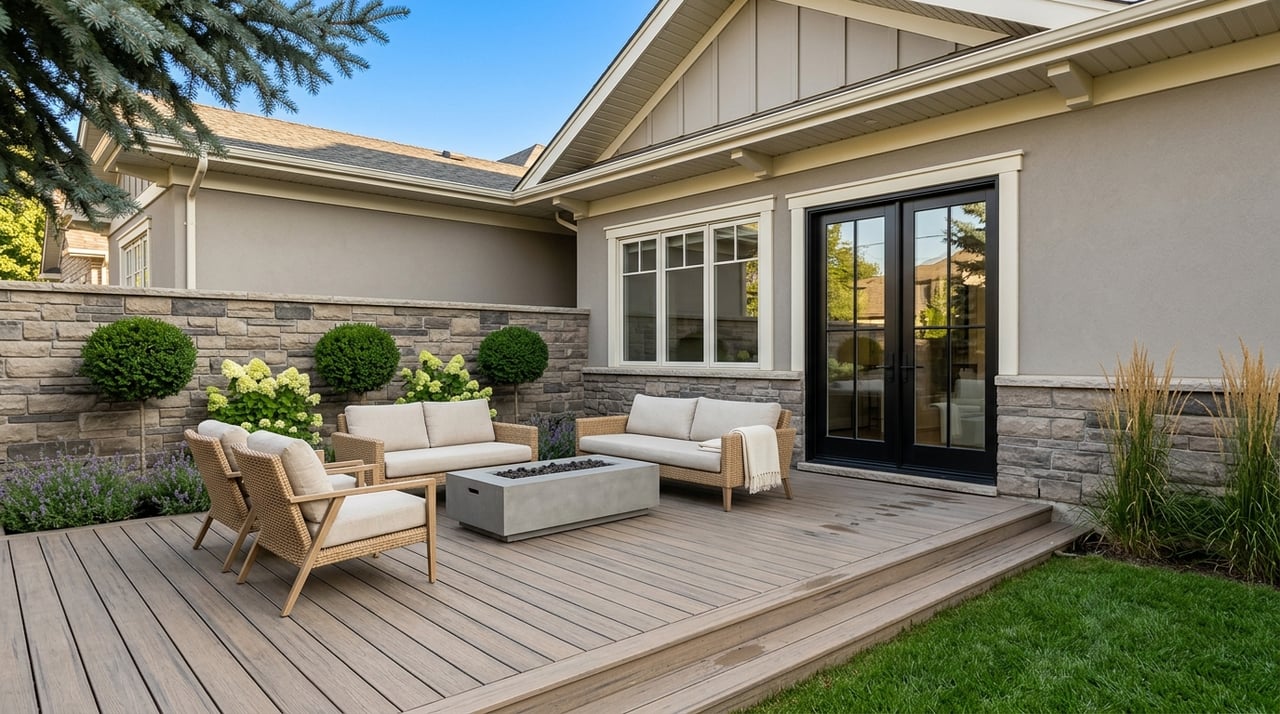
A beautiful yard is helpful, but function often matters more than size alone. In Centennial, outdoor features that support everyday use can carry a lot of appeal.
Examples include:
These details support the way many people actually live. If your weekends include trail rides, dog walks, park time, or hosting outside, a home that handles those routines well can feel like a better fit.
If you are shopping for a home in Centennial, outdoor living should be evaluated at both the community level and the property level. A good-looking backyard is great, but so is a location that makes it easy to use trails and parks regularly.
As you compare homes, consider:
This kind of thinking helps you match the home to your real routine. It also helps you look past surface-level staging and focus on daily livability.
If you are preparing to sell in Centennial, outdoor features deserve thoughtful attention. Buyers often respond well to lifestyle cues, especially when they feel practical and well presented.
That does not mean every home needs a large renovation. It may mean clarifying how your property connects to the local outdoor culture and presenting existing features in a cleaner, more intentional way.
Helpful points to emphasize can include:
For many homes, the goal is simple. Show buyers how the property supports the kind of active, outdoor-oriented living that Centennial is known for.
If you are thinking about buying or selling in Centennial, a well-informed strategy can help you connect the dots between location, lifestyle, and home presentation. To talk through what outdoor access and livability mean for your next move, schedule a consultation with Christine Nottoli.
Stay up to date on the latest real estate trends.
Transforming homes and investments with thoughtful design and market insight, ensuring every client reaches their real estate goals with confidence.